
10 Common Brake Problems in Trucks and How to Detect Them Early
- Home
- / Blog / Truck Brake Repair
Executive Summary for Fleet Technical Directors: Industrial haulage networks running heavy-duty prime movers face severe operational strain. Pneumatic air brake failures comprise over 30% of commercial vehicle roadside out-of-service safety violations. This comprehensive guide outlines structural diagnostics for tracing pressure drops, mechanical glazing, valve restrictions, and structural lining decay to keep haulage machinery safe across regional road infrastructures.
Heavy-duty commercial transportation networks moving critical industrial freight throughout West Africa encounter demanding environmental variations. When operating multi-axle trailers under maximum load limits, pneumatic foundation braking networks serve as the primary defensive line protecting capital machinery investments and highway operators. Maintaining high system safety metrics requires technical supervisors to move away from reactive repair workflows toward structured, data-driven preventive diagnostics. Developing an absolute technical understanding of pneumatic friction performance parameters allows maintenance workshops to prevent roadside breakdown accidents.
To optimize operations, logistics departments must manage foundation brake components alongside specialized chassis systems. Many fleet infrastructure operators coordinate their primary terminal workshops directly with high-capacity equipment suppliers like Sinotruck Nigeria Limited to source authentic component elements, matching precise air system layouts back to original manufacturing blueprints. This systematic parts control prevents fluid contamination issues that often lead to early actuator failure.
1. Pneumatic Air System Pressure Delays and Pressure Drop Deviations
Air-compressor cycling lag represents a hidden systemic risk inside heavy haulage vehicles. A common root cause is carbon build-up along the cylinder discharge port fittings, which restricts total volume transmission into primary wet reservoirs. Fleet inspectors monitor reservoir charging parameters using calibrated mechanical test gauges. If the time required to raise system pressure from 85 PSI to 100 PSI at governed engine RPM exceeds 25 seconds, the compressor efficiency profile falls below safe baseline limits.
Uncontrolled pressure drop states typically trace back to micro-fissures hidden within flexible trailer service or emergency line couplings. Maintenance staff run regular ultrasonic high-frequency acoustic checks along the continuous lines to catch micro-leaks before they trigger automatic spring brake actuator lockups during haul runs.
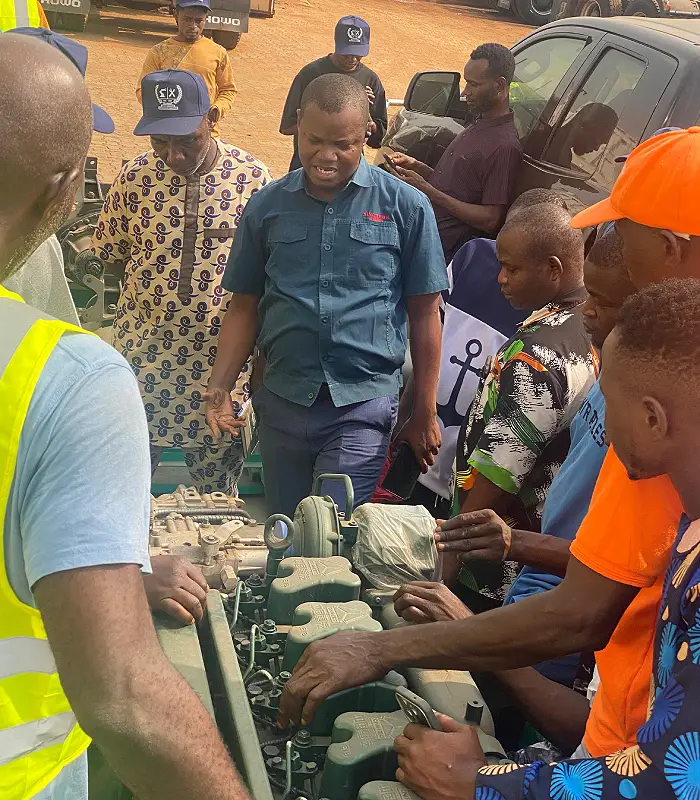
 Figure 1: Live foundation brake tolerance assessment and pushrod travel calibration inside our mechanical workshop in Surulere.
2. Excessive Brake Chamber Pushrod Travel and Slack Adjuster Misalignment
Mechanical out-of-adjustment states are a leading cause of reduced stopping performance in commercial drum configurations. When friction linings wear thin, the physical clearance boundary separating the brake drum inner face from the block expander profile widens. If the chamber pushrod stroke length shifts beyond 2 inches on standard Type 30 actuators, mechanical output force drops dramatically due to losing optimal leverage angles.
While automatic slack adjusters are engineered to maintain regular operating clearances, internal gear mechanism damage can cause them to slip. Technicians pull manual torque audits against the internal manual hex nut drives to verify internal clutch slip boundaries. If an adjuster fails to maintain precise return clearances, the entire foundation brake set should be systematically stripped down and overhauled to avoid single-wheel brake fade.
Master Professional Heavy Vehicle Diagnostics
Acquire hands-on technical skills in air system tracing, micrometer metrology, and foundation brake overhauls at our advanced automotive training school in Lagos, Nigeria.
3. High-Temperature Drum Glazing and Thermal Fracturing Signs
Severe thermal load variations can rapidly alter structural material properties. Friction lining assemblies operating continuously above 350°C begin to liquefy their internal binding resins, creating an ultra-smooth, slick surface across the linings. This glazed condition reduces the friction coefficient, rendering the brake position ineffective even under maximum chamber pressure applications.
When glazed drums cool down too quickly, surface thermal checking cracks appear across the metal face. If these heat checks grow past 1.5 inches or penetrate deep into the casting thickness, the brake drum requires immediate replacement to avoid sudden shattering under heavy loads. Workshop planners manage these heat issues by teaching proper downshift retarder techniques, which are covered thoroughly in our foundational guide on preventive vehicle maintenance strategies.
4. Pneumatic Relay Valve Restricting and Timing Delays
Modern multi-axle trailer layouts depend heavily on rapid pneumatic signals. If a trailer relay valve suffers from cracked internal rubber sealing diaphragms or internal sludge buildup, the secondary pressure signal delivery to the rear brakes lags behind the tractor pedal application. This signal timing delay causes the tractor to absorb most of the initial stopping force, leading to jackknife risks on slippery or unpaved road surfaces.
5. Oil and Moisture Contamination inside Air Storage Tanks
When heavy air-compressor piston rings experience oil blow-by, vaporized oil bypasses the filtration checks and flows directly down into the system distribution lines. This oil residue mixes with condensed moisture to form an acidic sludge layer that degrades internal nitrile rubber seals across all downstream control valves. Technicians pull manual check cables on the wet reservoir drains daily to check for discharge residue, which helps monitor the overall health of the desiccant air dryer system.
6. Brake Shoe Return Spring Fatigue and Wheel Drag Traps
Return spring fatigue prevents friction linings from retracting fully from the drum face once the brake pedal is released. The resulting constant friction contact causes severe wheel drag, spiking hub temperatures and leading to early wheel bearing failure or tire fire risks. Inspectors use non-contact infrared pyrometers during routine fleet bay checks to tag hubs running abnormally hot compared to the rest of the axle.
7. S-Cam Bushing Wear and Uneven Friction Lining Wear
Radial wear along the support bushings allows the cam steering shaft to deflect out of alignment under load. This deflection shifts the roller contact points, forcing one brake shoe to apply more pressure than the other. This uneven force causes rapid diagonal wear patterns across the friction blocks. Technicians check for cam play by using dial test indicator configurations to measure total radial movement, ensuring clearances stay within a 0.010-inch specification.
8. Wheel Speed Sensor Corroding inside Anti-Lock Braking Systems (ABS)
Heavy road dust and extreme operational vibration frequently disrupt electronic wheel speed sensor connections. When an ABS sensor loses its clean digital voltage signature, the electronic control module logs a fault code and disables wheel slide protection. The truck then reverts to basic mechanical braking, which increases the risk of flat-spotting tires during panic stops. Technicians clear these faults by clearing debris from the magnetic tone ring teeth and resetting sensor depth spacing.
9. Glazed Disc Brake Caliper Slide Pin Seizing
For vehicles using air disc brake setups, slide pin corrosion is a common maintenance issue. When water penetrates defective rubber sealing boots, rust locks the caliper housing into a fixed position. This binding prevents even pad pressure across both sides of the ventilated rotor, causing quick inner pad wear, reduced stopping power, and distinct vehicle pulling behaviors during application.
10. Tractor-Protection Valve Sealing Failures
The tractor-protection valve serves as the core safety device isolating the air supply if a trailer becomes disconnected. If the internal return springs rust or break, the valve may fail to seal off air flow if a trailer line ruptures. This failure can drain the entire tractor reservoir pressure down past critical limits, making it a key safety checkpoint during pre-trip fleet inspections.
Frequently Asked Truck Brake Repair Questions
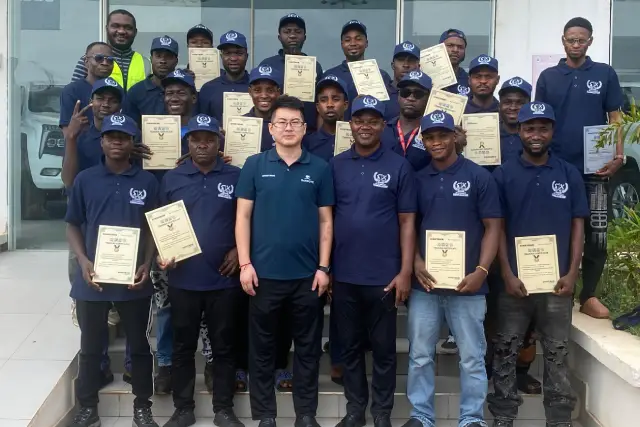

Automotive Engineering Training School
Join Nigeria's leading technical center in Lagos. Master practical diagnostic scanners, alternative fuel installations, and mechanical overhauls.
Register Today