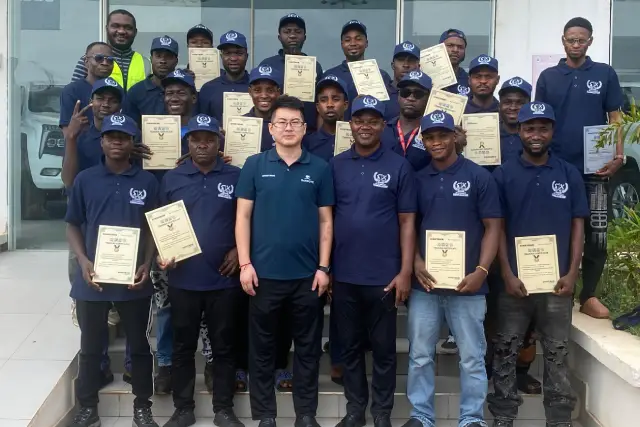
Course Details
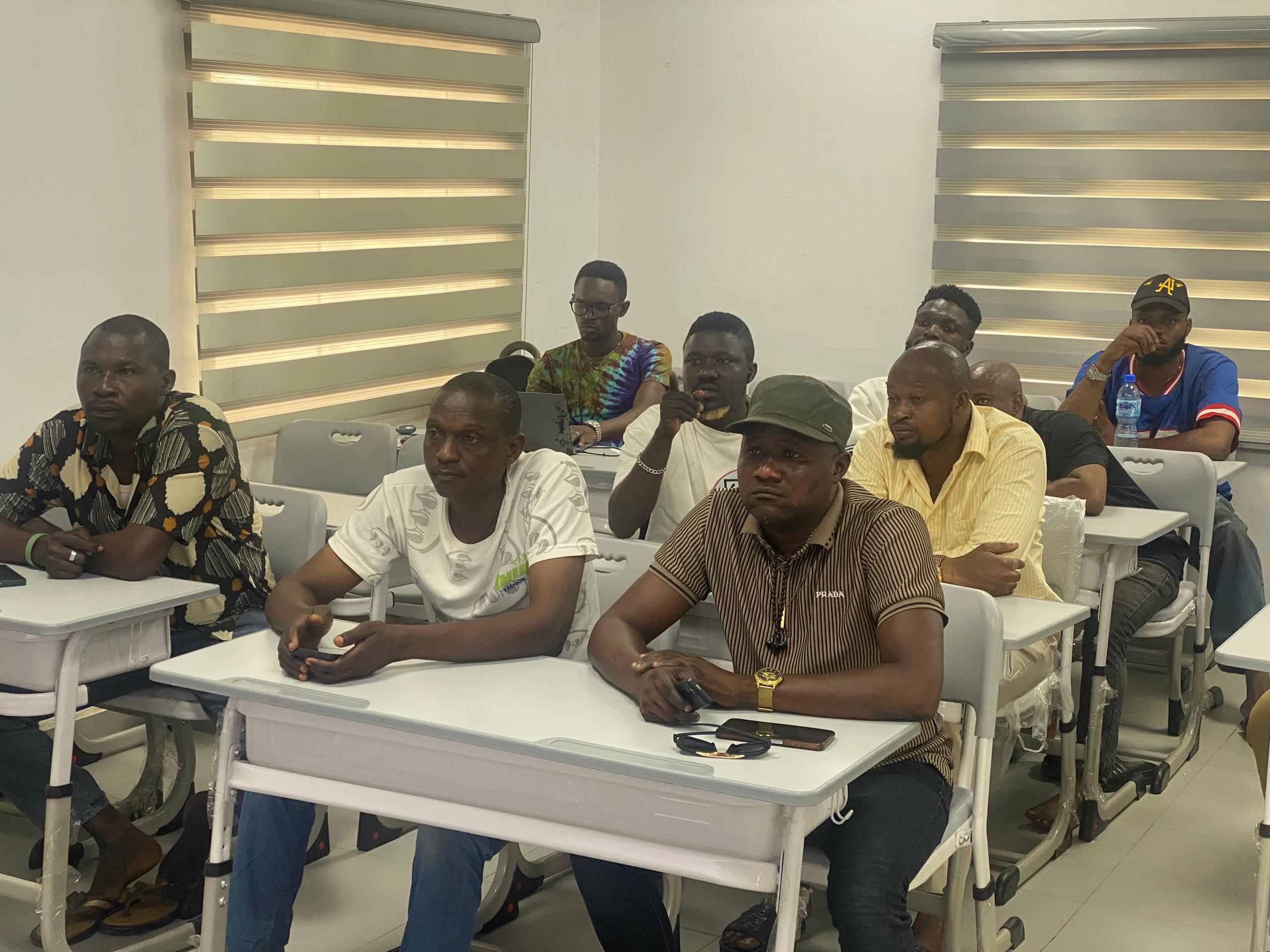
General Preventive Maintenance & Fleet Inspection Protocols
Scheduled Vehicle Inspections, Fluid Metrology, and Component Lifecycle Optimization
Unplanned asset breakdown remains the largest operational vulnerability facing transport networks and commercial fleets today. When critical fluid qualities decay, structural linkage bolts slip loose, or filter restriction levels spike unnoticed, simple component wear scales rapidly into expensive structural component destruction. Implementing regular, systematic preventive inspection routines keeps assets rolling, lowers emergency replacement costs, and establishes absolute workshop efficiency.
Comprehensive Fluid Analysis and Multi-Point Wear Inspections
High-level mechanical reliability relies completely on detailed physical inspection strategies. Our students master the use of optical refractometers to check coolant additive chemistry balances, run precision brake fluid boil points, check system belt alignments, and read early engine internal wear signatures by evaluating used oil patterns.
Core Scheduled Tasks Practiced:
- Measuring steering linkage mechanical joint movement using precise dial check indicators
- Evaluating high-efficiency filter flow restrictions using digital air-box restriction indicators
- Reviewing tire casing tread patterns to isolate hidden suspension tracking faults
- Testing high-output charging networks using dynamic carbon-pile battery load tests
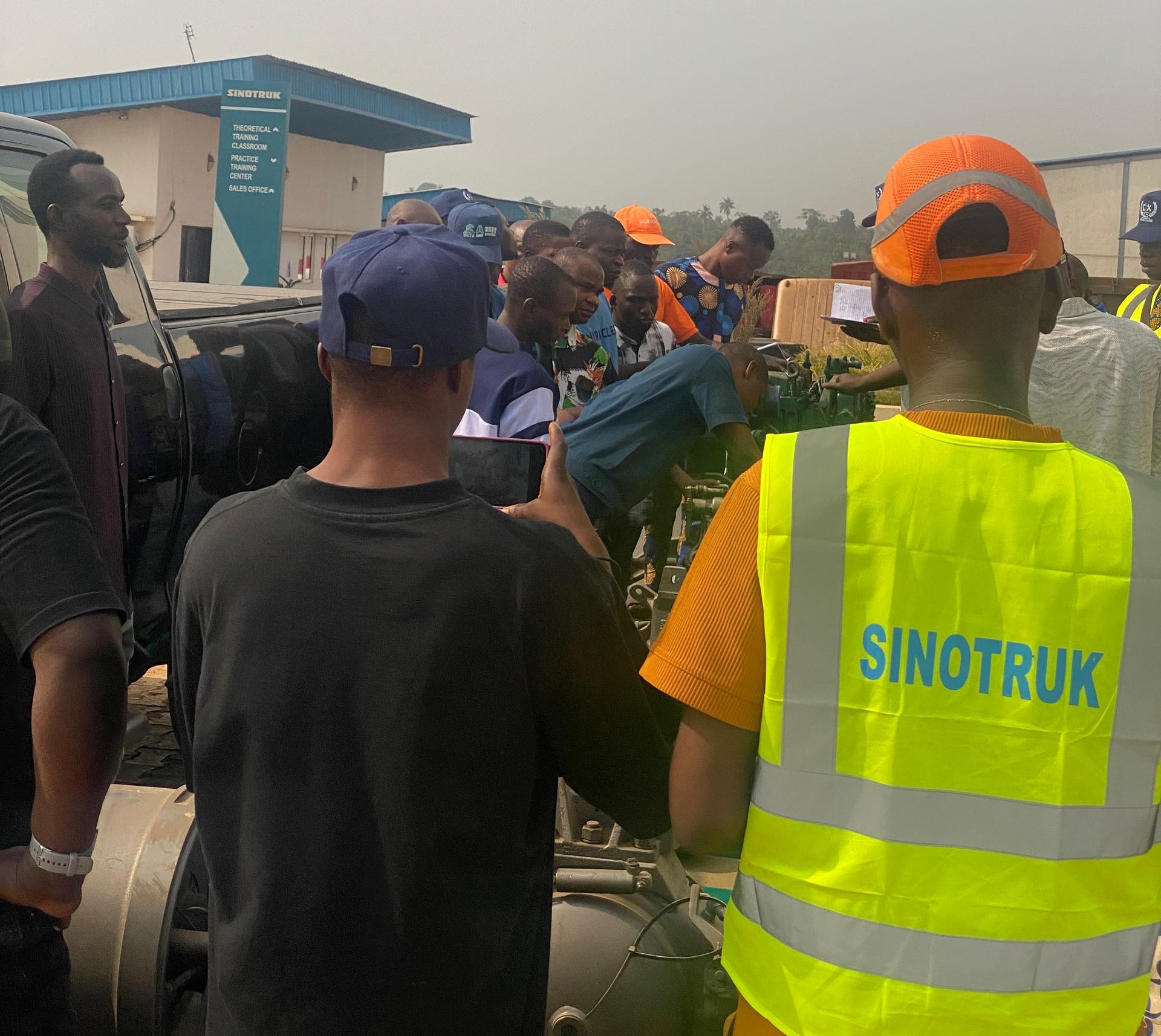
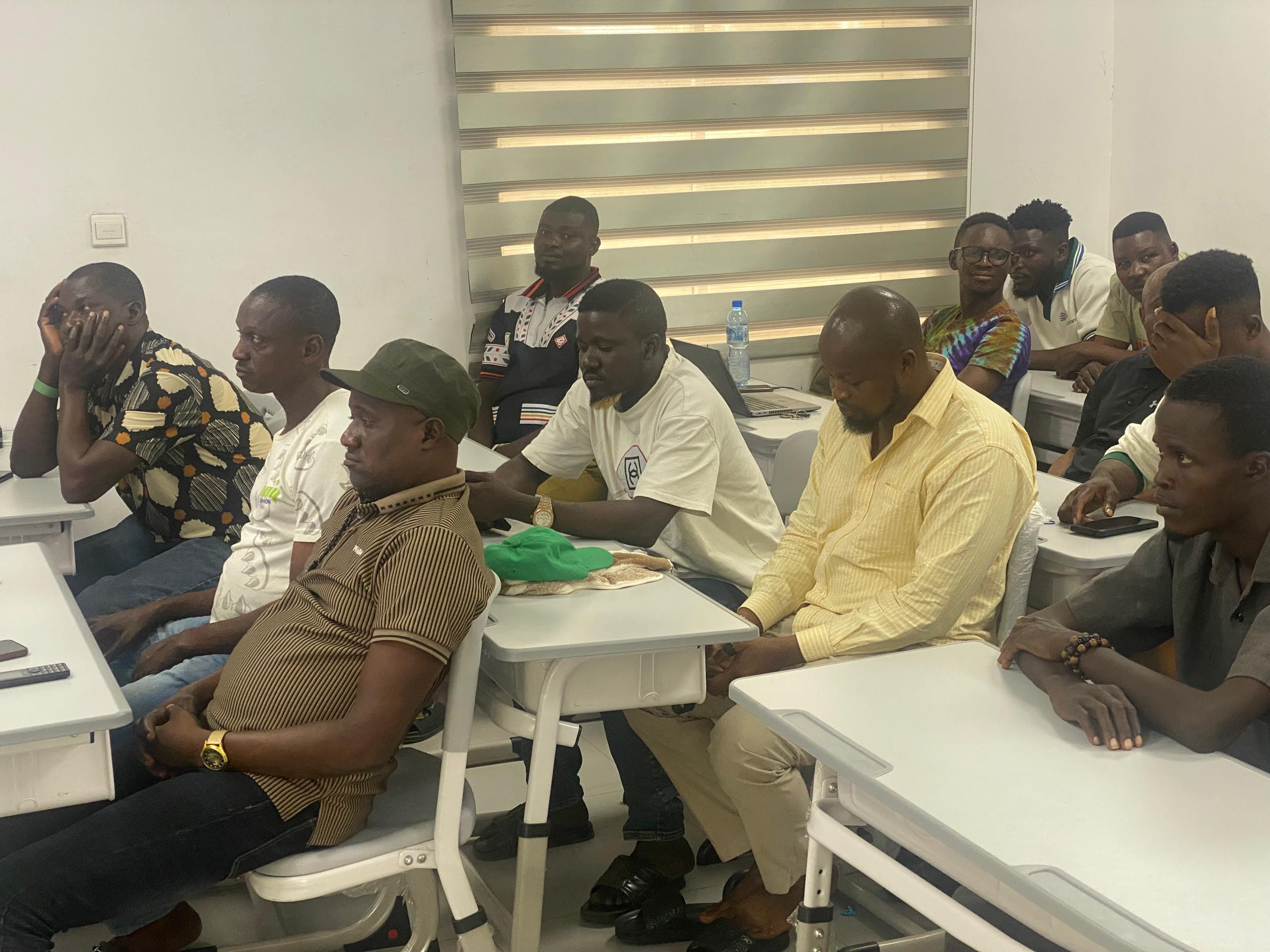
Digital Service Scheduling and Operational Safety Compliances
True asset mastery shifts a workshop from emergency response mode into organized, predictable service routines. Expert engineers walk trainees through setting structured pre-trip checklist metrics, mapping time-and-mileage-based service schedules, and building complete maintenance tracking histories that protect vehicle values over long hauls.
Advanced Preventive Service Metrics:
Trainees practice using electronic torque wrenches to secure critical structural chassis connections, run system-wide leakage assessments on high-pressure line configurations, clean sensitive environmental sensors, and record precise vehicle health checks.
This practical professional course supplies the structural technical training necessary to implement a professional-grade fleet preservation framework. Trainees handle advanced testing instrumentation to assess mechanical tolerances, monitor wear rates, and compile service profiles that meet global fleet operation benchmarks.
Key Skills Gained
- Industrial Lubrication Analysis Methods
- Suspension Wear Clearance Gauging
- Cooling Network Pressure Evaluation
- Chassis Fastener Torque Management
- Battery & Charging System Benchmarking
- Pre-Trip Visual Safety Audit Tracing
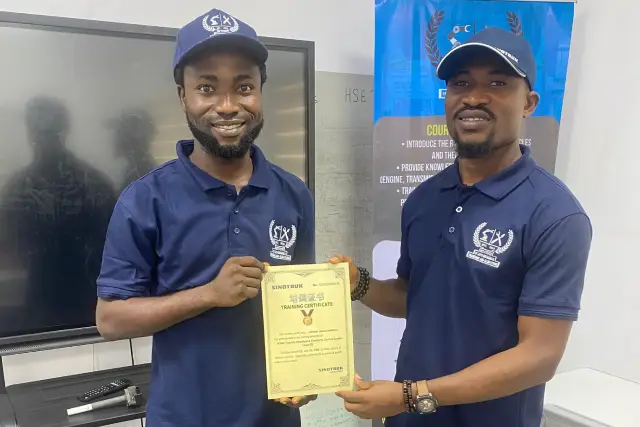
Automotive Training Team
Industry Experienced Trainers & Engineers
Learn directly from automotive professionals with practical field experience in diesel systems, advanced diagnostic tracking, and safety protocols.
Related Programs
Diagnosis & Troubleshooting
Professional