
Manual vs Automatic Gearbox Maintenance and Repair

Executive Summary for Fleet Maintenance Engineers: Transmission architecture selections impact long-term asset life cycle costs and maintenance scheduling patterns. Manual setups demand strict clutch wear monitoring and physical gear tooth tracking, whereas planetary automatic units require fluid metrology testing and torque converter slip tracing. This technical manual details the internal wear mechanics, hydraulic pressures, and service limits governing both transmission designs.
Managing commercial transport fleets across demanding regional transport corridors requires a deep understanding of drivetrain configurations. Power delivery components are subjected to heavy continuous loads, high operating temperatures, and frequent gear changes during city stop-and-go driving. When setting up workshop schedules, maintenance directors must tailor their workflows to handle the distinct mechanical demands of both manual and automatic gearboxes. Failing to account for these design variations can lead to premature drivetrain failure and expensive vehicle downtime.
To protect expensive drivetrain assemblies, corporate transport departments coordinate their overhaul programs directly with authorized original equipment suppliers. Working closely with established heavy truck distributors like Sinotruck Nigeria Limited provides workshop teams with access to original gear sets, clutch packs, and precise torque specifications. This factory coordination ensures reassembled transmission units can handle severe operating conditions without premature bearing failure or gear casing damage.
Friction Material Degradation and Manual Clutch Clearance Metrology
Manual transmissions rely on a mechanical friction clutch assembly to disconnect engine power from the input shaft during gear changes. Over long operating cycles, repeated engagement generates high heat that slowly wears down the friction material on the clutch disc. As this friction material thins out, clamping force drops, leading to clutch slippage under high engine load conditions.
Technicians use precision vernier calipers to measure remaining friction material thickness down to structural rivets, comparing measurements against factory wear limits. Workshop teams also inspect the clutch pressure plate and flywheel surfaces for heat cracks and hotspots. Any surface unevenness must be machined flat or replaced to ensure smooth engagement and prevent clutch chatter during vehicle launch.
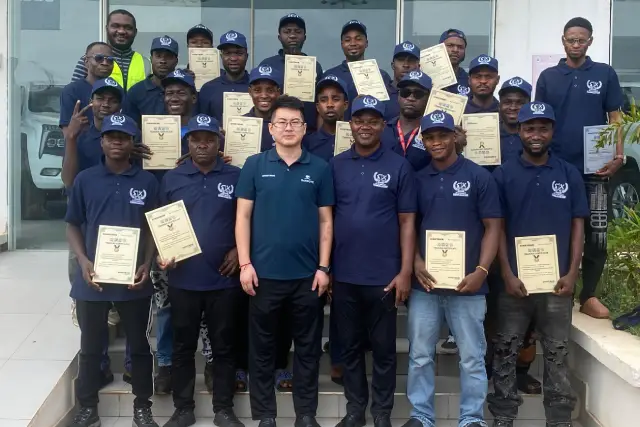
 Figure 1: Trainees learning hands-on transmission disassembly and internal component clearance verification at our specialized training center.
Hydraulic Valve Body Fluid Dynamics and Automatic Shift Controls
Automatic transmissions rely on a complex hydraulic valve body to direct pressurized fluid to various internal clutch packs and bands. This intricate hydraulic network acts as the mechanical brain of the transmission, routing fluid based on electronic commands from the transmission control computer. If varnish or clutch debris builds up inside these narrow valve passages, individual shift valves can stick or jam.
This valve sticking causes erratic shifting, delayed engagements, or harsh gear changes that subject internal components to severe shock loads. Technicians diagnose hydraulic issues by connecting analog pressure gauges to dedicated diagnostic ports along the transmission case. Measuring real-time line pressure during shift cycles allows mechanics to isolate internal fluid leaks or pump wear before components burn out.
Develop Expert Transmission Rebuilding Capabilities
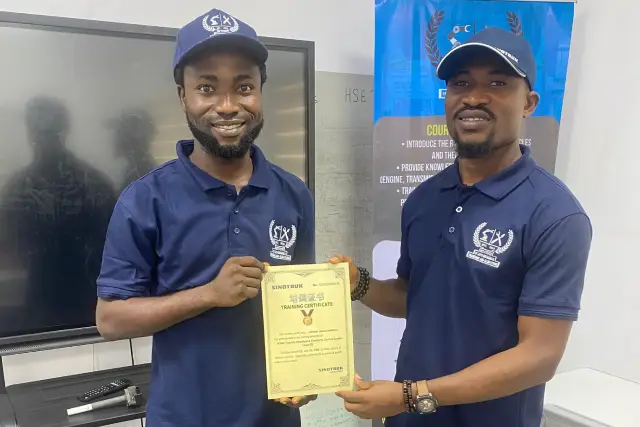
Master hands-on manual clutch replacement, automatic valve body diagnostics, and internal planetary gear rebuilding at our professional training school in Lagos, Nigeria.
Fluid Chemistry Control and Transmission Lubricant Thermal Limits
Transmission fluids are subjected to extreme shear forces and high thermal stresses that break down protective additive packages over time. In manual gearboxes, high-viscosity gear oils protect heavy gear teeth from scuffing, but manual oil can still collect microscopic metallic debris from synchronizer ring wear. In automatic setups, automatic transmission fluid (ATF) serves multiple vital roles: it lubricates moving parts, cools internal assemblies, and transmits hydrodynamic force inside the torque converter.
If automatic fluid temperatures pass 105°C, the oil begins oxidizing rapidly, turning into a dark, burnt sludge that hardens internal rubber seals and leads to pressure loss. Incorporating routine fluid flushes and checking transmission cooler lines are vital parts of any effective operation, as detailed in our comprehensive guide on how preventive maintenance saves transport fleet operators millions.
Synchronizer Ring Wear Metrics and Manual Gear Engagement Faults
To allow smooth gear changes without grinding, manual gearboxes use synchronizer cones to match speeds between the spinning input shaft and output gears. These synchronizer rings feature fine internal brass ridges that grip the gear face during a shift. As these brass ridges wear down from aggressive shifting or poor lubrication, the synchronizer loses its braking capacity.
This wear causes gear clashing or makes the transmission difficult to shift into specific gears. Mechanics inspect synchronizers during teardowns by using precision feeler gauges to check the air gap between the ring and the gear shoulder. If this clearance falls below factory wear specifications, the synchronizer ring can no longer match speeds effectively and must be replaced to prevent permanent damage to the hard gear teeth.
Torque Converter Lock-Up Slippage and Electronic Solenoid Checks
Modern automatic transmissions use a specialized locking clutch inside the torque converter to create a solid mechanical connection between the engine and transmission at highway speeds. This lock-up feature eliminates fluid slip inside the converter, dropping operational temperatures and helping lower vehicle fuel consumption. If the electronic lock-up solenoid or internal clutch material fails, the converter will slip continuously under load.
Technicians diagnose torque converter slip issues by using advanced scan tools to monitor engine RPM compared to transmission input shaft speed data. If these speed values show a mismatch while the lock-up circuit is active, the computer logs a diagnostic trouble code. This computer-aided diagnosis highlights the importance of electronic tracing tools, which we discuss in our technical analysis on why modern vehicles depend on computer diagnostics before mechanical teardowns.
Frequently Asked Gearbox Maintenance Questions
Automotive Engineering Training School
Join the leading technical center in Lagos. Master hands-on manual transmission overhauls, automatic shift diagnostics, and heavy drivetrain rebuilding procedures.
Register Today