
Top Automotive Engineering Skills Demanded in 2026

Executive Summary for Aspiring Technicians & Garage Owners: The modern transportation sector is shifting away from purely mechanical setups toward complex electronic and alternative energy powertrains. Surviving this industrial shift requires service centers to update their core skills past basic wrenching. This analysis maps out the exact electronic, diagnostic, alternative fuel, and mechanical precision skills required to excel in today's vehicle service sector.
The landscape governing automotive repair and fleet operations across West Africa is experiencing an unprecedented technical evolution. Simple engine structures are quickly giving way to advanced, computer-controlled systems, complex multiplex networks, and hybrid fuel platforms. For technicians and garage operators looking to protect their careers and business models, staying relevant means moving past basic manual repairs and embracing advanced technical competencies.
To match these evolving vehicle technologies, forward-thinking fleet repair teams and engineering centers connect directly with major industrial vehicle distributors. Aligning training and components with major machinery enterprises like Sinotruck Nigeria Limited provides direct exposure to factory diagnostic tools and blueprint specifications. This direct technical connection helps ensure repair technicians understand exactly how to service heavy-duty commercial powertrains safely.
Advanced Electronic Architecture Mapping and Multiplex Systems
Modern vehicles rely heavily on Controller Area Network (CAN-Bus) systems to manage communication between various onboard computers. Instead of running heavy, individual wires to every component, components share data signals over a single twisted-pair wiring loop. Mechanics must understand how to trace these digital communication networks to keep modern vehicles operating smoothly.
When troubleshooting electrical issues, technicians use digital storage oscilloscopes to view and verify communication wave forms. Reading these high-frequency voltage changes allows installers to spot issues like signal drops, shorted lines, or terminating resistor damage that can shut down entire vehicle control loops.
 Figure 1: Trainees learning real-world computer diagnostic scanning and sensor data interpretation under expert guidance.
Alternative Energy Installations and Dual-Fuel Mapping Systems
Rising fuel prices have accelerated the demand for alternative fuel configurations across commercial fleets. Technicians who know how to convert standard engines to run on Compressed Natural Gas (CNG) are highly sought after by fleet operators looking to control costs. This conversion work requires a strong mix of high-pressure mechanical skills and digital calibration talent.
Installers must master the math and mechanics of positioning high-pressure lines, mounting dual-stage gas regulators safely, and mapping secondary gas injection computers. For a complete look at these alternative energy systems, read through our detailed breakdown on our comprehensive CNG conversion installation guide.
Acquire In-Demand Automotive Skills
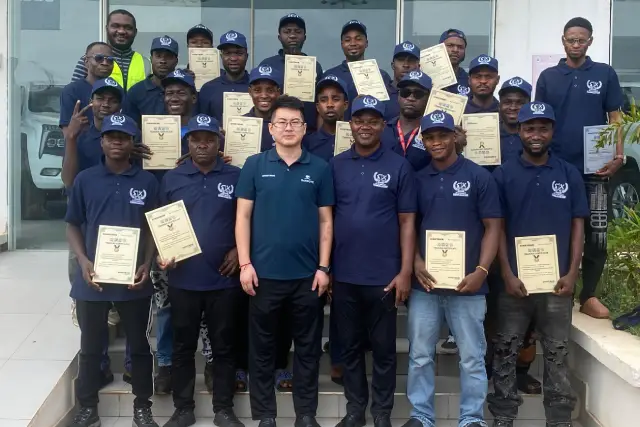
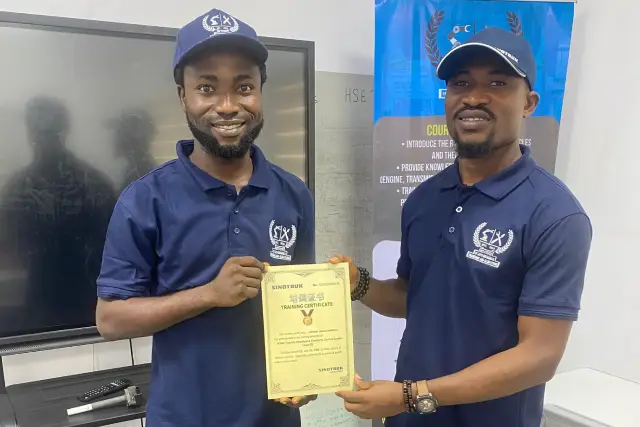
Get certified in advanced computer diagnostics, alternative fuel conversions, and heavy mechanical overhauls at our professional automotive training academy in Lagos, Nigeria.
Advanced Scan Tool Diagnostics and Sensor Data Stream Tracing
Modern vehicle repairs require more than simple guesswork or parts-swapping. When a dashboard warning light illuminates, technicians must be able to connect advanced scan tools to read diagnostic trouble codes and interpret live data parameters. Tracing issues down to the root cause requires understanding sensor reference voltages, fuel trim variations, and actuator duty cycles.
Mastering computer-aided diagnostics allows technicians to trace and fix complex drivability issues, preventing minor sensor faults from escalating into costly breakdowns. This data-driven approach is a key part of running effective commercial maintenance programs, which we outline in our guide on how preventive maintenance saves transport fleets millions.
Precision Powertrain Metrology and Component Overhaul Tolerances
Even with the rise of vehicle electronics, core mechanical rebuilding skills remain essential for heavy-duty applications. Rebuilding large gearboxes or engine blocks requires absolute precision and attention to detail. Technicians use precision measuring tools like inside micrometers, dial test indicators, and plastigauge strips to verify internal clearances down to fractions of a millimeter.
Failing to verify these precise clearances can cause oil pressure drops or early gear teeth failure under load. Professional technicians must know how to restore factory tolerances, check for hairline fractures in castings, and execute proper torque-to-yield bolt procedures to ensure reliable engine rebuilds.
Advanced Braking Systems and Pneumatic Safety Controls
Commercial vehicle safety relies heavily on complex pneumatic and anti-lock braking systems (ABS). Modern heavy-duty trucks feature specialized valving systems, including dual-circuit foot valves, trailer relay valves, and spring brake chambers, that require precise timing and pressure balances. Technicians must understand how to diagnose and service these networks to protect heavy transport assets.
Experienced mechanics must know how to pull pushrod stroke measurements, verify automatic slack adjuster function, and repair ABS sensor connections. For a deep dive into diagnosing these safety critical networks, refer to our comprehensive guide on common truck brake repair methods and safety parameters.
Frequently Asked Automotive Training Questions
Automotive Engineering Training School
Join the leading technical center in Lagos. Master hands-on automotive diagnostics, high-pressure conversion systems, and heavy mechanical overhauls.
Register Today